Guide 1
Understanding what is happening to me

Table of contents

What is erectile dysfunction ?

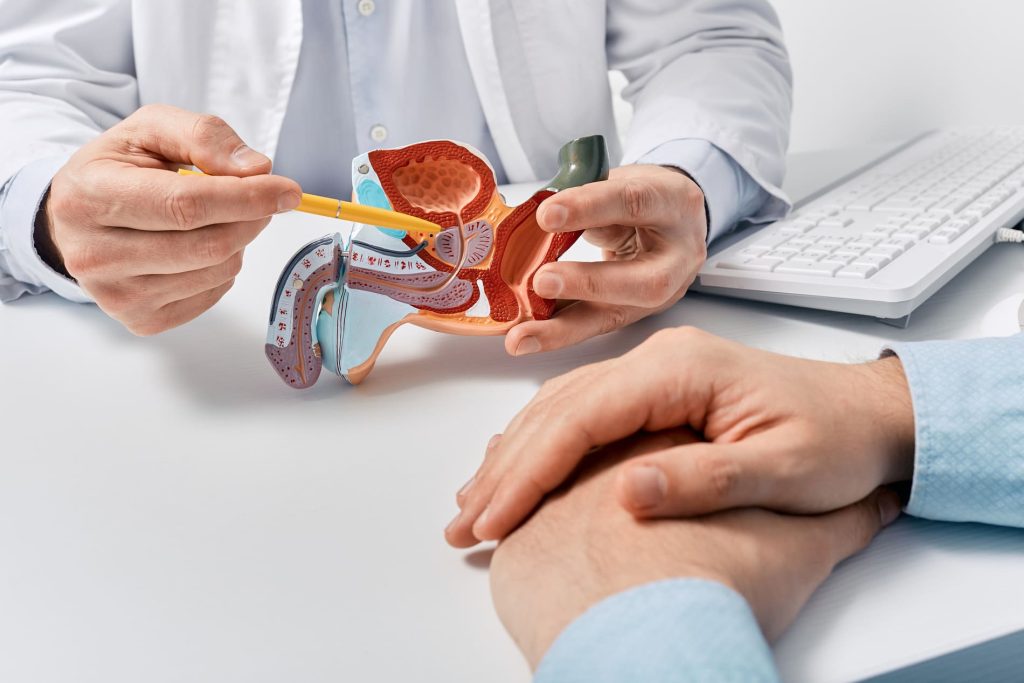
The corpora cavernosa in the penis are two spongy “reservoirs” rich in blood vessels. When aroused, they fill with blood, compress the veins, and make the penis rigid. But what happens if the nerve signals, blood flow, or erectile tissue are disrupted?

Erectile dysfunction is the inability to achieve or maintain a full erection. It is also known as male impotence and affects one-third of men over the age of 50.

5 signs of sexual impotence

  • Lack of rigidity and tension in the penis
  • Difficulty achieving an erection
  • Difficulty maintaining an erection that “subsides” during intercourse
  • Difficulty with penetration
  • Instability of erection

A decrease in desire and libido, difficulty reaching orgasm or ejaculating may occur alongside erectile dysfunction. Several factors are intertwined.

At what age does a man become impotent ?

There is no universal threshold! Erectile function is mainly influenced by overall health (physical, mental, and psychological) and changes over time, depending on lifestyle and events. To give you an idea, less than 2% of men under the age of 20 are affected, 35% of men over the age of 50, and 75% of men over the age of 75.

While age is obviously correlated with male impotence, it is not a direct cause.

Erectile dysfunction : what are the causes ?

Hormonal, psychological, arterial, neurological, cavernous, venous… Erectile dysfunction can have various causes. It is not uncommon for several factors to be intertwined, leaving the man who suffers from it with questions and doubts.

Psychological distress

Relationship problems, stress, fear, depression, or poor self-image are recurring psychological causes.

Illness

On the physiological side, certain vascular diseases (high blood pressure, blocked arteries, etc.) or metabolic diseases (diabetes, kidney failure, etc.) can contribute to erectile dysfunction.


Neurological disorders

Multiple sclerosis or diabetic neuropathy can cause erectile problems.

Surgery, procedures, or trauma

Prostate surgery or pelvic surgery carries a risk of causing ED (erectile dysfunction).

Hormonal imbalances

Testosterone deficiency or thyroid disorders are among the influencing factors.

Lifestyle

Tobacco, drugs, alcohol… Abuse of these substances can have a negative impact on sexuality, as can a sedentary lifestyle.

Why does my erection go down during intercourse ?

Are you unable to maintain your erection as you used to? When “it goes down,” the experience can quickly become frustrating. Understanding the mechanisms involved will allow you to find a solution tailored to your situation so that you can rediscover the pleasure of a fulfilling intimate life.

Soft erection : what to do?

When your erection lacks firmness, it’s not necessarily a lack of desire: often, it’s your body that needs calm, time… or extra support. Good news! There are solutions available to help you regain a more stable erection, without pressure or taboos.

The first thing to do is to understand the cause. Don’t hesitate to consult a healthcare professional such as your doctor, a specialist (urologist, psychologist, sexologist, etc.) or even seek couples therapy.

Apart from psychological or relationship factors, there are medications, devices, and injections available. But these solutions have limitations and can be invasive or unnatural. The Roger revitalizing belt is a tailored solution for your semi-erections or soft erections.

Mental health, relationships, and lifestyle : how to prevent erectile dysfunction ?

Erectile dysfunction can be a neurological or hormonal response, or it can be related to medical intervention. However, in some cases, the trigger lies elsewhere: stress, performance pressure, fatigue, mental load, or tension in the relationship… The good news? These factors are often adjustable.

Let’s share some simple, practical tips for preventing these difficulties… and restoring intimacy to its natural place, without taboos or guilt.

Prostate cancer : the risk of erectile dysfunction following a prostatectomy

Prostate cancer is now one of the most common cancers in men: it ranks first in Belgium and is among the top cancers in Europe. In nearly a third of cases, a radical prostatectomy is indicated.

But this procedure is not without consequences… It can alter circulation in the pelvic area and promote the development of venous leaks. Erectile dysfunction is reported in about 60% of cases.